Why Solar is the Best Gift for Your Home this Holiday Season

As solar energy solutions become more efficient and prevalent, community solar programs are emerging as an excellent sustainable option, offering individuals and communities the opportunity to embrace clean, renewable power without committing to an individually owned solar panel system.
But what exactly is community solar, and why is it becoming an increasingly popular choice for energy consumers? In this article, we’ll explore its benefits, potential downsides, and which states already have programs.
Community solar is also known as shared solar or solar gardens. These programs enable multiple participants to benefit from a single solar energy system. Instead of installing solar panels on individual rooftops, participants subscribe to a share of a larger solar array located off-site, typically in a nearby field, parking lot, or unused land. Electricity generated by the solar array is then distributed to subscribers through their existing utility grid, offsetting their electricity bills with clean energy credits.
One of the primary advantages of community solar is its inclusivity. It eliminates issues with rooftop solar panels, such as:
Community solar allows renters, homeowners with unsuitable rooftops, and businesses without adequate space to access solar energy.
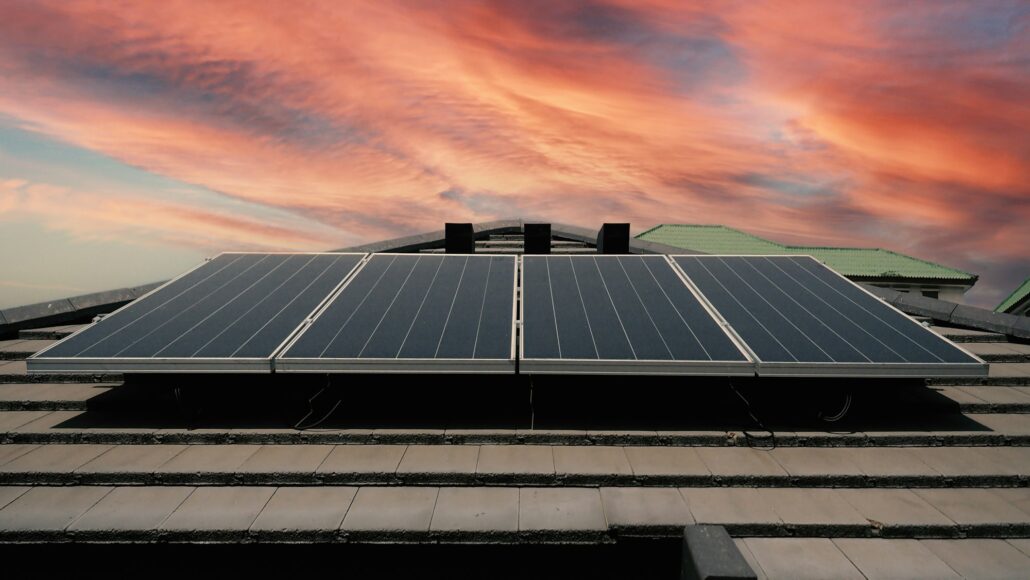
Another benefit is that community solar programs offer financial savings and long-term stability to participants. By subscribing to a community solar project, individuals can lock in lower electricity rates and hedge against future utility price fluctuations, providing a sense of economic security while supporting renewable energy development.
Factors that affect community solar savings, include:
Community solar fosters local resilience and strengthens community ties by promoting collaboration and shared ownership of energy resources.
Pro Tip: This democratization of solar power empowers a broader segment of the population to participate in the clean energy transition.
While community solar holds numerous benefits, it’s essential to acknowledge potential drawbacks and challenges. One common concern is the initial cost barrier for developers to establish community solar projects, which can vary depending on factors like:
These upfront expenses may impact project feasibility and hinder widespread adoption in some regions.
Regulatory and policy barriers can also present obstacles to the expansion of community solar programs. Variations in state regulations, utility policies, and incentive programs can create a patchwork of rules that complicate project development and limit accessibility for participants in certain areas.
Despite these challenges, community solar initiatives are gaining momentum across the United States. As of this year, 22 states and Washington, DC have legislation that supports community solar programs.
States with notable community solar activity include:
Community solar programs offer a promising pathway toward a more equitable, sustainable energy future. By leveraging collective action and community engagement, these initiatives empower individuals, reduce carbon emissions, and pave the way for a brighter tomorrow powered by sunshine and solidarity.
Though community solar is still not widely available, residential and commercial solar installations are steadily increasing. If you’re considering going solar, contact Gurr Brothers Energy, and start reducing your carbon footprint while reducing your power bill!
Author: Hunter S.
Give Gurr Brothers Energy a call today and let’s start powering your life with sunshine!